
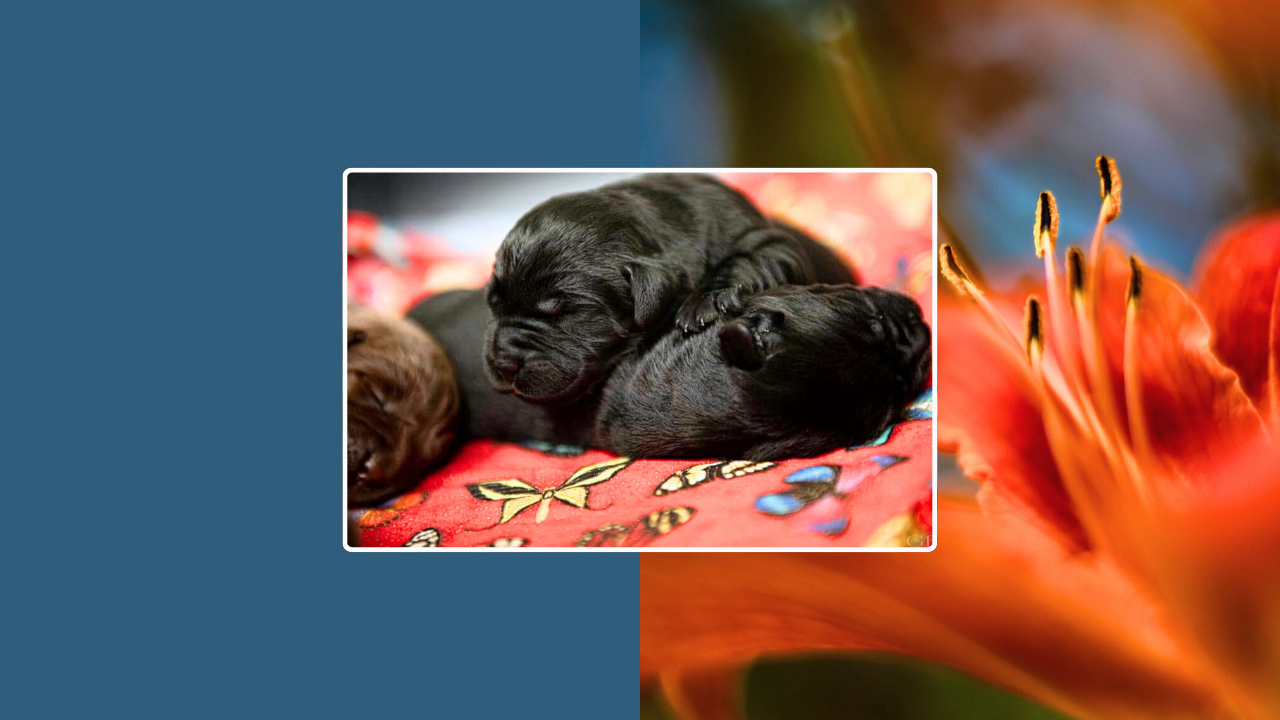
The first eight weeks of a puppy’s life shape everything that follows. Confidence. Trainability. Resilience. Emotional balance. These traits are not solely genetic—they are cultivated through thoughtful, structured early experiences.
At Overlook Labradors, we prioritize this foundational period with week-by-week, evidence-informed practices. We use tools like Early Neurological Stimulation (ENS), controlled exposure, and guided challenges to help our puppies thrive—whether their future lies in the home, the show ring, or a working role.
Understanding the Critical Period
| Age Range | Developmental Stage | Primary Focus |
|---|---|---|
| Weeks 0–2 | Neonatal | Gentle touch and warmth; ENS begins |
| Weeks 2–3 | Transitional | First light, sound, and subtle environmental exposure |
| Weeks 3–8 | Socialization Window | Building confidence through structured enrichment |
Weeks 0–2: Gentle Beginnings
- Handle each puppy briefly and gently once daily
- Introduce Early Neurological Stimulation (ENS) between Days 3–16
- Maintain a calm, secure environment for the dam—her stress can affect puppies’ cortisol levels and long-term stress response
ENS Protocol (once per day):
- Hold upright
- Hold upside down
- Lay on back (supine)
- Tactile stimulation on toes
- Brief exposure to a cool surface
Why it matters: Originally developed by the U.S. military’s Bio Sensor program, ENS has been associated with improved heart rate variability, faster stress recovery, and enhanced immune response in puppies.
Weeks 3–5: Windows Open
As puppies begin to see and hear, we gradually introduce sensory variety.
Daily Micro-Challenges:
- One new sound or object per day: crinkle paper, hairdryer, TV noise
- New textures: rubber mats, carpet, grass (weather permitting)
- Mild environmental desensitization: vacuuming in another room, doorbell chimes, pots clanging—always paired with positive interaction
Mini Social Challenges:
- Crawl under a towel
- Step over a rolled blanket
- Taste water from a shallow dish
- Step onto a low wobble board
Weeks 5–7: Bravery and Bonding
We introduce puppies to safe, age-appropriate real-world experiences while reinforcing security.
- Invite gentle, supervised visitors of various ages and appearances
- Begin brief, positive separations from mom or littermates
- Start crate exposure: 5–10 minutes with soft bedding and toys
- Expand soundscape: recordings of thunder, sirens, and traffic sounds at low volume
Weeks 6–8: Preparing for Life Beyond the Litter
These final weeks before placement are vital for helping puppies adjust to life in their new homes.
- Begin gentle grooming: brushing, nail trims, mock vet checks
- Introduce basic cues such as “come” and “sit” through positive reinforcement
- Offer short, supervised car rides
- Feed from puzzle bowls or scatter-feed to build confidence and curiosity
Adapting to Each Puppy’s Future Environment
Urban Homes (e.g., NYC, Boston):
- Simulate elevator rides, city noise, sidewalk walks
- Practice indoor leash walking with background street sounds
Rural or Hunting Homes (e.g., Hudson Valley, Midwest):
- Introduce natural textures: dirt, grass, feathers
- Play recordings of farm equipment, gunfire, or storm sounds at low volume
International Consideration:
In many EU countries, puppies remain with breeders until 10+ weeks. If we hold pups longer for export or evaluation, we continue crate training, 1:1 bonding, and new exposures to avoid regression.
First 8 Weeks: Socialization Checklist
- Handled gently from birth
- ENS protocol completed (Days 3–16)
- Exposed to at least 10 distinct sounds, objects, and textures
- Crate introduced in a positive context
- Experienced supervised separation from dam and littermates
- Exposed to both indoor and outdoor environments
- Potty training and recall initiation began
Behavioral Note: Puppies removed too early or raised in sterile, low-stimulation environments may later show signs of anxiety, reactivity, or poor bite inhibition.
Ethical Breeding Begins at Birth
At Overlook Labradors, we don’t just raise puppies—we raise secure, balanced companions prepared for real life. Our early socialization approach reflects a commitment to both science and soul: offering each puppy gentle guidance, enriching stimulation, and a nurturing foundation.
We believe the future family dog begins with thoughtful, ethical breeding practices that support temperament and emotional resilience from day one.
Leave a Reply