
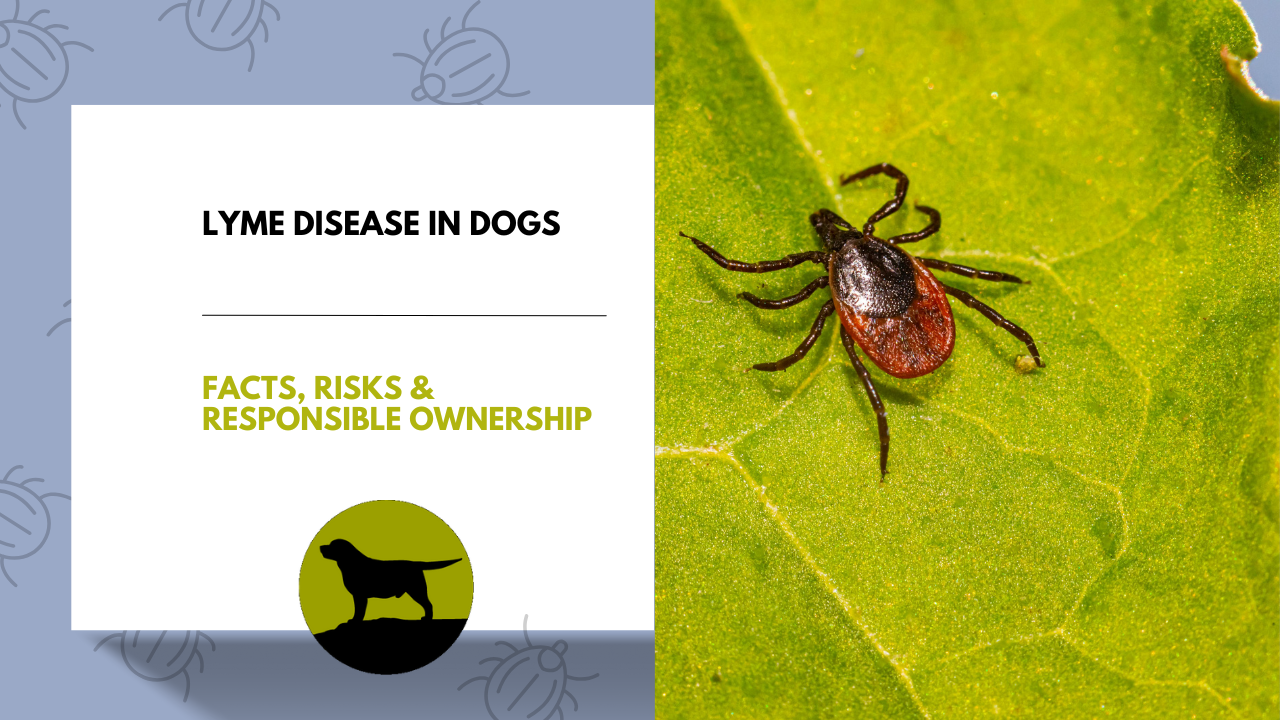
Lyme disease is one of the most common tick-borne illnesses in dogs. Despite vaccines and tick prevention, the risk remains. As responsible breeders and dog owners, we must work together to manage this challenge with facts, treatment and accountability.
Why Lyme Disease Happens—Even With Vaccines
Lyme disease is caused by Borrelia burgdorferi, spread through infected tick bites. In high-risk areas like the Northeast, many dogs are exposed, including vaccinated ones.
Key Facts:
- Lyme-positive dogs are common in the Northeast and Midwest, with exposure rates reaching 13% in some regions.
- Vaccines help but are not foolproof. They’re about 60–86% effective—many vaccinated dogs can still get infected.
- The vaccine only protects against Lyme—not other tick-borne diseases like ehrlichiosis or anaplasmosis.
- Dogs can contract Lyme after brief exposure—in a yard, on a walk, or even during travel. Tick activity persists year-round in many climates.
Vaccine Limitations in Breeding Dogs
While generally safe, the Lyme vaccine should be timed carefully in breeding dogs:
| Group | Recommendation | Reason |
|---|---|---|
| Studs | Avoid vaccine near semen collection or breeding use | Temporary immune response may reduce fertility |
| Dams | Never vaccinate during pregnancy | Manufacturer labels warn against vaccinating pregnant dogs |
| All breeding dogs | Use only when exposure risk is high, and always with timing in mind | Minimize stress and protect reproductive success |
Mild side effects (fever, soreness, fatigue) may also occur after vaccination.
Why a Healthy Puppy May Still Get Sick Later
Your breeder provides a health certificate confirming a clean bill of health at the time of sale. But this does not guarantee future immunity. Here’s why:
- Stress from rehoming lowers immunity, allowing latent infections to take hold.
- Environmental changes expose dogs to new pathogens and parasites.
- Travel, new schedules and emotional stress all play a role in weakening the immune response.
This is common in animals. Livestock often develop “shipping fever,” and cats can break with illness after adoption. Puppies—especially large, fast-growing breeds—are no exception.
Lyme Disease Is Treatable in Most Dogs
If your dog tests positive for Lyme and shows symptoms, treatment is available and effective.
Symptoms:
- Lameness (often shifting from leg to leg)
- Fever
- Fatigue
- Joint swelling
- Loss of appetite
Treatment:
- Antibiotic: Doxycycline for 28+ days is the most common.
- Pain relief: NSAIDs may be prescribed to ease discomfort.
- Rest: Avoid intense activity to protect joints and aid healing.
Prognosis: Most dogs respond quickly. Many improve in just a few days. Long-term complications (like kidney damage) are rare with early treatment.
Staying Ahead of Lyme: Tools That Help
No single method offers full protection, but layered prevention works best.
Core Prevention Methods
| Strategy | What It Does | Notes |
|---|---|---|
| Tick Preventatives | Kills or repels ticks | Use monthly, year-round |
| Daily Tick Checks | Removes ticks before they transmit | Check ears, toes, tail base, belly, armpits |
| Vaccination | May reduce Lyme severity or infection risk | Not 100% effective; not for pregnant dogs |
| Environmental Care | Reduces ticks in your yard | Mow grass, remove brush, avoid wooded edges |
Natural Support: Diatomaceous Earth
Diatomaceous earth (DE) offers a natural, chemical-free way to manage fleas, ticks, and mites in your environment.
- Made from crushed fossilized algae.
- Sharp particles damage parasites’ exoskeletons, dehydrating them.
- Use only food-grade DE. Sprinkle in kennels, bedding and dry outdoor areas.
- Safe for pets, but avoid inhalation—use lightly and keep dry.
Many breeders, including ourselves, use DE to protect yards and reduce tick load naturally.
Owning One of Our Beloved Labradors Comes With Responsibility
Bringing home a Labrador from us—or any reputable breeder—is both a gift and a long-term commitment. These puppies are raised with care, screened for health and loved and supported from birth. But once a pup leaves us, it’s up to the owner to protect their health.
- Tick exposure is environmental—not due to negligence.
- Vaccines are not a shield. Tick checks and prevention are key.
- Stress-related illness after rehoming is real—and temporary.
As a breeder, we offer a healthy start. From there, responsible owners must provide consistency, follow vet protocols and reach out if problems arise.
Together, we can protect your dog from Lyme disease and other tick-borne threats.
Leave a Reply