
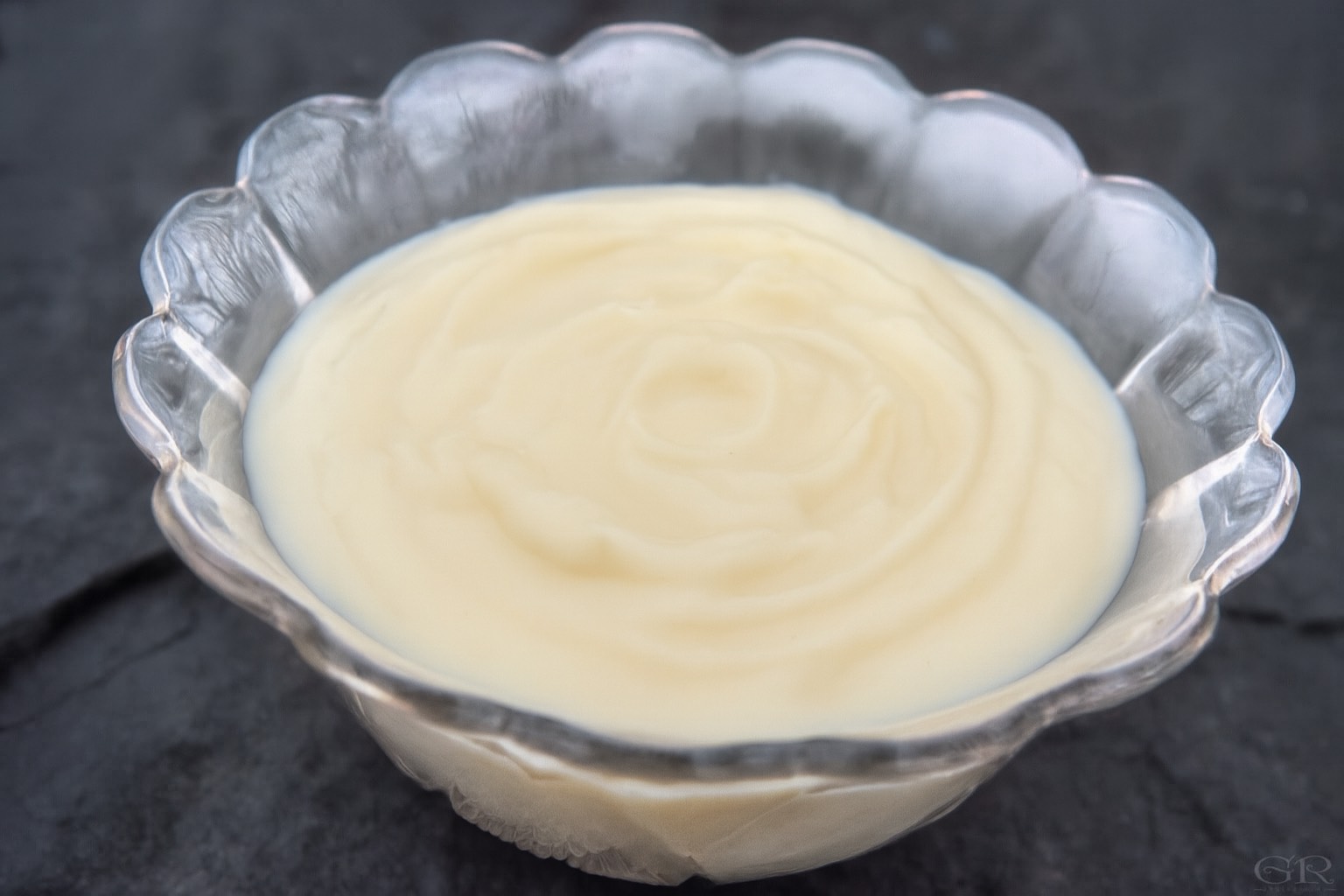
Warm, Gentle, High-Calorie Food for Lactating Dams
After giving birth or having a C-section, dams may experience fatigue, reduced appetite, and increased nutritional demands. This warm, custard-like pudding is easy to digest and packed with recovery nutrients: protein, calcium, healthy fats, and gentle energy. It’s designed to help her regain strength, support hormone balance, and nourish her growing litter.
Ingredients
- 2 cups goat’s milk (or low-lactose milk alternative)
- 2 egg yolks
- 1 tbsp cornstarch or tapioca starch
- 1-2 tbsp oat flour
- 1 tbsp raw honey or clear Karo syrup (optional, for energy)
- 1–2 tbsp plain full-fat yogurt (stir in after cooking)
- 1 packet (2½ tsp) unflavored gelatin (optional, for setting and protein)
Optional Milk-Boosting Additions:
- ¼ tsp fenugreek powder (natural galactagogue)
- 1 tsp brewer’s yeast (rich in B vitamins to support prolactin)
- ¼ tsp goat colostrum powder (immune and lactation support)
- ½ tsp coconut oil (for energy and hormone support)
Instructions
1. Bloom the Gelatin (if using):
In a small bowl, sprinkle gelatin over ¼ cup of the cold goat’s milk. Let sit for 5 minutes to bloom.
2. Make the Pudding Base:
In a saucepan (off heat), whisk together the remaining milk, egg yolks, and cornstarch or oat flour until smooth.
3. Cook Until Thickened:
Place over medium-low heat and stir constantly until the mixture thickens to a soft custard (about 5–7 minutes). Do not boil.
4. Add Gelatin & Optional Boosters:
Remove from heat. Whisk in the bloomed gelatin, followed by optional honey, fenugreek, brewer’s yeast, and colostrum powder, if using.
5. Cool and Enrich:
Let cool to lukewarm, then stir in the plain yogurt and coconut oil.
6. Serve or Set:
Serve slightly warm or at room temperature. For a firmer texture, refrigerate in jars or ramekins until softly set.
Storage
- Store covered in the refrigerator for up to 3 days.
- Reheat gently using a warm water bath or let sit at room temperature before serving.
Use
- Offer ¼ to ½ cup, 1–3 times daily during the first 7–10 days postpartum.
- Supports post-C-section recovery, natural whelping, or milk stimulation in surrogate dams.
- Always monitor for signs of digestive upset or milk fever in early lactation.
Ingredient Benefits & References
- Goat’s milk is easier to digest than cow’s milk and is rich in calcium, potassium, and medium-chain fatty acids—ideal for lactating dogs with sensitive stomachs[1].
- Egg yolks are dense in vitamins A, D, E, K, and choline, supporting hormone regulation and tissue repair[2].
- Cornstarch and honey offer simple carbohydrates that help boost energy for nursing demands[3].
- Yogurt adds probiotics to support gut health and enhance calcium absorption[4].
- Unflavored gelatin provides collagen peptides, which assist in tissue healing, uterine recovery, and skin/coat support[5].
- Fenugreek is a proven galactagogue in both human and veterinary lactation support[6].
- Brewer’s yeast contains B-complex vitamins and chromium, both linked to prolactin production and milk let-down[7].
- Goat colostrum provides immunoglobulins and lactogenic hormones to aid in immune recovery and mimic the hormonal effects of early nursing[8].
- Coconut oil delivers quick energy via MCTs and supports endocrine balance for hormone-dependent milk production[9].
Sources
- PetMD – Can Dogs Have Goat’s Milk?
- USDA FoodData Central – Egg Yolk Nutritional Profile
- Veterinary Clinics: Small Animal Practice – Nutrition During Canine Lactation (2011)
- Journal of Applied Microbiology – Probiotics in Companion Animal Nutrition (2001)
- Whole Dog Journal – Benefits of Collagen and Gelatin in Dog Diets (2023)
- Journal of Human Lactation – Fenugreek as a Galactagogue (2016)
- Veterinary Medicine Textbook – B Vitamins & Reproductive Physiology (2020)
- Reproductive Endocrinology in Dogs – Colostrum Support in Lactation (2019)
- Veterinary Science Today – Coconut Oil and MCTs in Canine Diets (2017)

Leave a Reply